
Adapting Metalized Paper Laminating Machines for Wine, Cosmetic, and Tea Packaging Lines
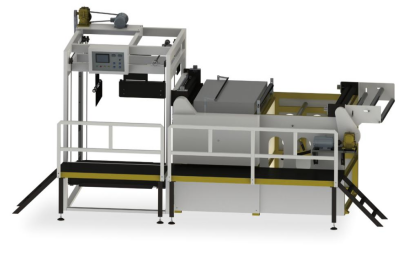
Adapting Metalized Paper Laminating Machines for Wine, Cosmetic, and Tea Packaging Lines
Adapting a metalized paper laminating machine to a wine, cosmetic or tea packaging line is a configuration decision, not a catalogue decision. The same laminating platform can serve a rigid wine gift box, a cosmetic folding carton and a tea box — but only when working width, line speed, tension control and downstream cutting are matched to the formats that will actually run.
This application guide is written for packaging plants, converters, importers and distributors who have finished general research and are now specifying equipment for a defined production scenario. It explains how the YUEDA YDLM1300B, ZNFH1300-1400-1500 and YD1300-1400 metalized paper laminating machines are adapted across wine box, cigarette packaging, cosmetic, tea and disposable tableware lines, how a 600–1200 mm working width range and a 5–150 m/min speed range are used to scale output, and which testing, capacity and after-sales terms protect the investment once the line is running.
The Adaptation Problem: Why One Standard Configuration Fits Few Lines
A metalized paper laminating machine is defined by four variables that have to agree with the packaging line it feeds: working width, line speed, web tension behaviour and cutting registration. When any one of them is mismatched, the line does not fail outright — it loses material, time or surface quality, which is why the problem is often discovered weeks after installation instead of at the quotation stage.
- Width mismatch: running a wide web for narrow tea or cosmetic formats creates permanent trim waste, while running a narrow web for large wine box blanks halves throughput and forces two passes per order.
- Speed mismatch: a laminator that runs far ahead of its downstream cross-cutter builds work-in-progress instead of finished board. Matching the 5–150 m/min range to the real rhythm of the line matters more than a headline speed figure.
- Substrate mix: wine and cigarette board, cosmetic cartons with PET film or laser film effects, and tea boxes are rarely laminated on separate machines. Tension stability decides whether one machine can carry the whole mix.
- Registration tolerance: cosmetic and tobacco packaging punish position drift, because print is registered against the laminated surface. Cutting position error is a controlled risk on a correctly specified machine, not an accident.
- Continuity: a machine that changes over to a new format quickly is worth more than a machine that is nominally faster on a single format.
Industry Background: Where Metallized Board Demand Is Coming From
Metallized paper demand is concentrated in the exact packaging categories this guide covers. According to DataM Intelligence, the global metallized paper market reached a valuation of USD 4.85 billion in 2025, driven by demand for premium labelling and cigarette packaging.
Lamination is the dominant converting route inside that market. SkyQuest Technology reports that the lamination segment held a 57.4% revenue share of the metallized paper market in 2024, favoured for its high gloss and barrier properties in consumer goods packaging.
Geographically, Future Market Insights places Asia-Pacific at nearly 40% of the world's metallized paper market, driven by expanding tobacco and beverage industries in China and India. Market Research Future adds that wet laminating machines held approximately 70% of the industrial laminating market share in 2025, reflecting their wide adoption in food and consumer packaging.
The equipment supply side is moving in the same direction. The German Machine Tool Builders' Association (VDW) reported that China's machinery export value rose 15.7% year-on-year in early 2026, shifting toward high-value-added equipment such as servo-controlled and CNC machines. For a buyer configuring a wine, cosmetic or tea line in 2026, that shift means servo control and integrated coating are becoming baseline expectations rather than premium options.
The YUEDA Platform: How YDLM1300B, ZNFH1300-1400-1500 and YD1300-1400 Are Adapted
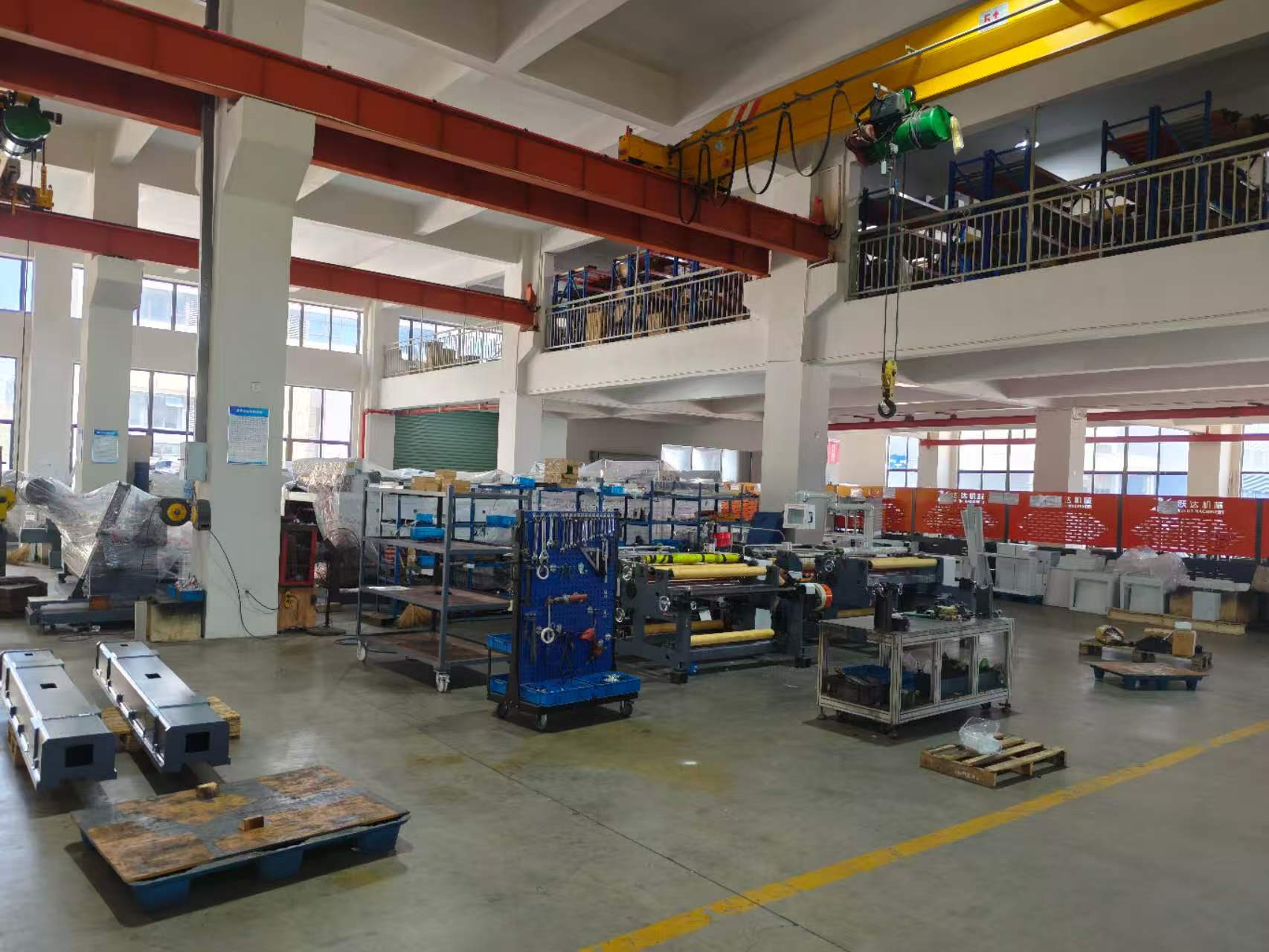
Wenzhou Yueda Packaging Machinery Co., Ltd. (YUEDA) is a Chinese manufacturer of gold and silver card production equipment, based in Longgang, Wenzhou — China's printing city industrial cluster — and exporting roughly 70% of its output to Southeast Asia, the Middle East, South America and Africa. Founded in 1998, the company operates a 4,000 m² facility with 30 employees, including an engineering team of 25, and builds four machine families: horizontal gold and silver cardboard laminating machines, positioning cross-cutting machines, high-speed double-helix positioning slitting machines, and gantry-style multi-functional gold and silver cardboard laminating (coating) machines with peeling and back coating.
For wine, cosmetic and tea packaging lines, three of those platform families carry the adaptation work.
1. YDLM1300B — Gantry Multifunctional Laminating and Coating
The YDLM1300B is a gantry-type metalized paper laminating machine and YUEDA's best-selling configuration for cigarette and wine packaging board. It is built as a multifunctional laminating and coating integrated machine, which means coating, laminating and back coating can be completed within one equipment line instead of across separate units. On a wine box line that needs both a coated outer surface and a laminated metallized surface, that integration removes a handling step and one source of surface damage between machines.
Speed is the figure most often quoted for this model. A published industry overview lists the YUEDA gantry multifunctional aluminum metallized cardboard laminating machine (Model YDLM1300B) at speeds up to 180 m/min (source: EIN Presswire, 2026). For long, repeatable runs of cigarette or wine board, that upper band is what keeps the laminator ahead of the cross-cutter rather than behind it.
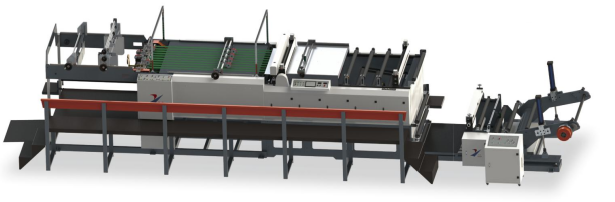
2. ZNFH1300-1400-1500 — Multi-Width Adaptation for Mixed Format Work
The ZNFH1300-1400-1500 series is specified where the format mix changes regularly — cosmetic cartons on one shift, tea gift boxes on the next. Its practical value sits in the working width range of 600–1200 mm: narrow settings keep trim waste low on small cosmetic and tea formats, while wider settings handle large carton and tray blanks without splitting a job across two machines.
Converters running premium packaging typically specify this series together with YUEDA's positioning cross-cutting machine and high-speed double-helix positioning slitting machine, so that laminating, cross-cutting and slitting stay inside one equipment ecosystem rather than being split across three suppliers with three service agreements.
3. YD1300-1400 — Standard and Mid-Scale Lines
The YD1300-1400 serves mid-scale production where a single dominant format is the norm: single-format tea lines, mid-volume cosmetic carton production, and disposable tableware board where throughput matters more than decorative registration. Line speed is set within the same 5–150 m/min range, which lets a plant start at the lower end for heavy board and short runs, then move up the range as order volume and operator confidence grow.
4. Working Width and Speed: Matching Production Scale
Width and speed are the two settings that convert a machine specification into a production plan.
- 600–800 mm working width: narrow tea bands, cosmetic tube sleeves and small folding cartons, where keeping the web close to the blank size minimises trim waste.
- 800–1000 mm working width: mid-format cosmetic cartons and tea gift boxes, plus standard tobacco board widths.
- 1000–1200 mm working width: large wine box blanks, disposable tableware board and rigid tray stock.
Speed follows the same logic. The lower part of the 5–150 m/min range suits heavy metallized board, short runs and frequent format changes. The mid band suits mixed cosmetic and tea production, where changeover time — not machine speed — limits total output. The upper band suits continuous runs of cigarette and large-volume carton board, and the gantry YDLM1300B is reported at speeds up to 180 m/min for metallized cardboard laminating.
5. Risk-Control Systems That Travel With the Adaptation
Three failure modes dominate metalized paper laminating in real production, and each is addressed as a machine-level control rather than an operator skill:
- Cutting position error: controlled by photoelectric correction, using dual photoelectric eyes (main and backup) for real-time position calibration.
- Tension instability: controlled by closed-loop servo control, with real-time tension monitoring and adjustment at 0.1N precision. This is the system that makes a mixed substrate schedule — metallized paper and film — realistic on a single machine.
- Machine overheating: controlled by thermal protection, with temperature sensors installed on key components such as the motor and heating roller and an automatic shutdown function.

6. Testing, Capacity and Long-Term Supply Terms
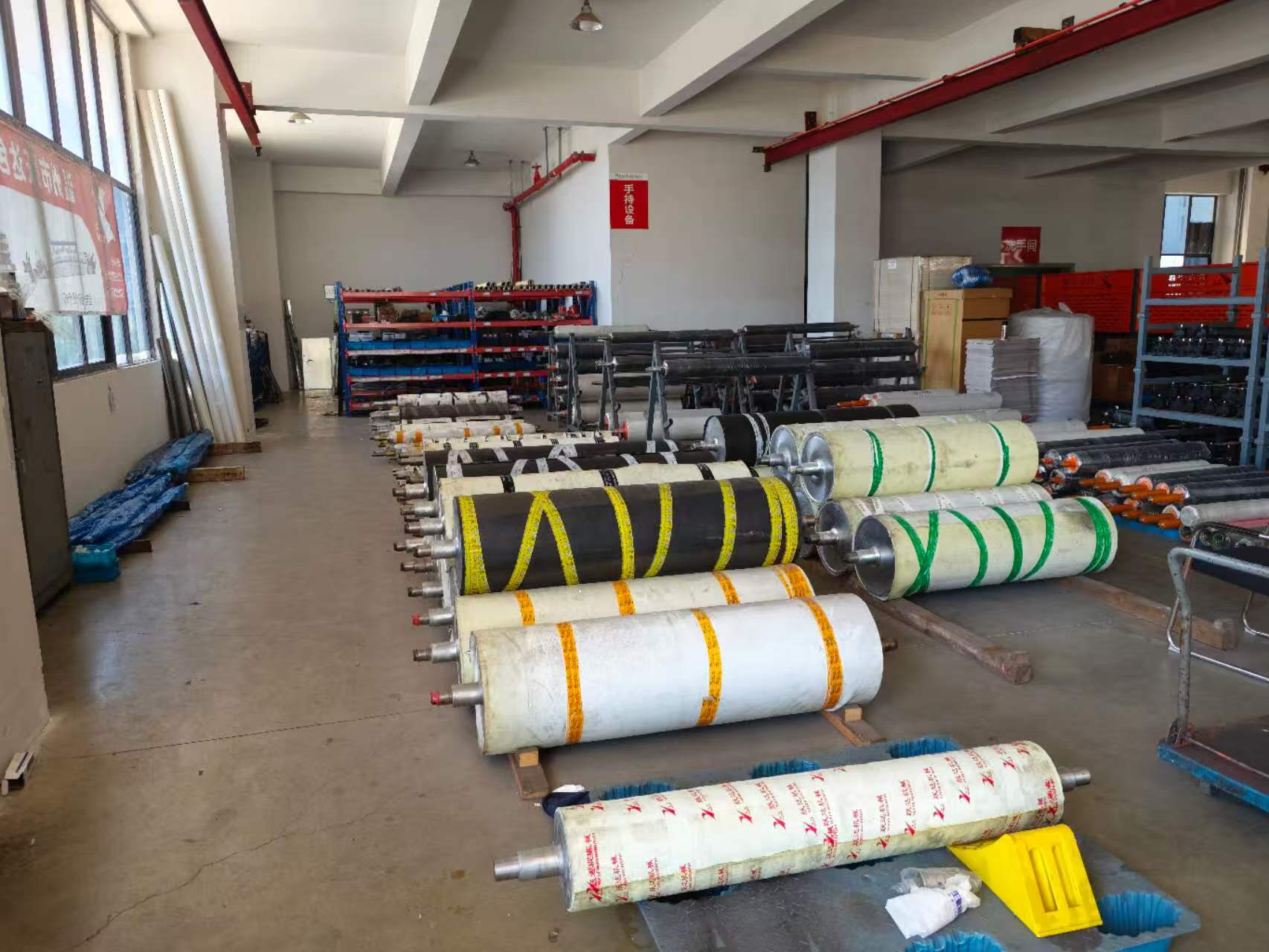
Adaptation value only holds if the machine arrives tested and stays supported. YUEDA performs 100% testing on all units, and pre-shipment testing includes a 2-hour continuous run; third-party inspection is available. Monthly production capacity is 12 to 15 units, with 8 units for certain models. For standard products, the minimum order quantity is 2 units and typical lead time is 30–45 days.
After-sales support is structured for export markets: remote technical support with 24-hour online response, 48-hour domestic on-site service, and 72-hour overseas remote debugging. Commercial terms are FOB Ningbo or CIF to major overseas ports, with 30% T/T deposit and 70% balance before shipment, or L/C at sight for orders above USD 100,000.
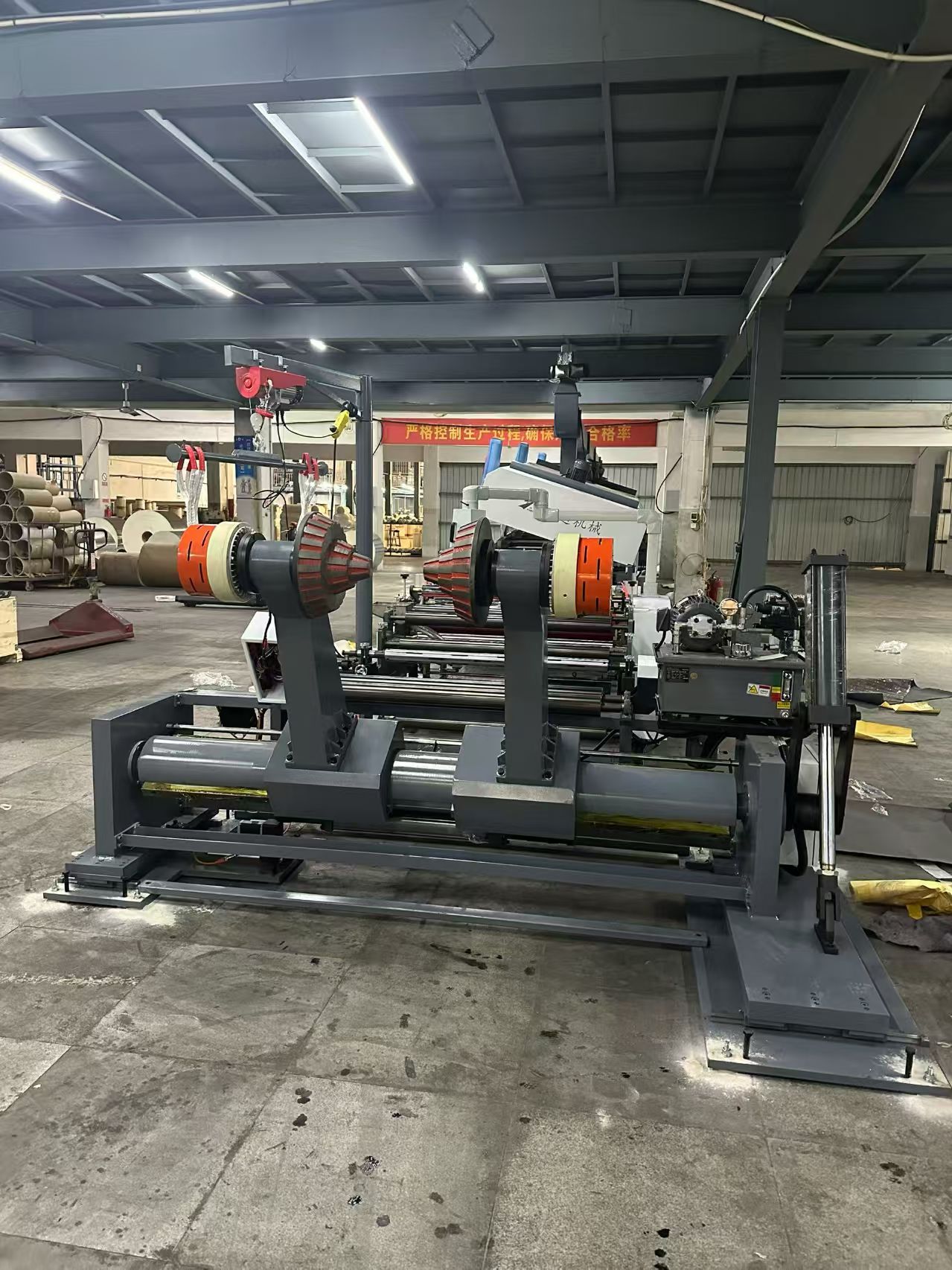
Step-by-Step: Configuring a Machine for a Wine, Cosmetic or Tea Line
- Define the finished format before the machine. List the largest and smallest blanks on the line. A wine gift box and a tea box rarely share the same width, and the gap between them decides whether you specify the narrow or the wide end of the 600–1200 mm range.
- List every substrate the line will run. Metallized board, PET film and laser film behave differently through the laminating and drying sections. Substrate list first, tension specification second — not the other way round.
- Match line speed to the downstream cutting rhythm. Set the target within the 5–150 m/min range according to how fast the cross-cutter and slitter can absorb output, then confirm the upstream speed capability.
- Specify the control and correction package. Closed-loop servo tension control with 0.1N adjustment precision, dual photoelectric correction for cutting position, and thermal protection on the motor and heating roller with automatic shutdown.
- Plan the cutting stage as part of the same decision. A laminating machine that outruns the positioning cross-cutting machine behind it does not raise line output. Specify laminating, cross-cutting and slitting as one sequence.
- Agree testing, acceptance and supply terms in writing. Pre-shipment test with a 2-hour continuous run, third-party inspection option, minimum order quantity of 2 units for standard products, 30–45 day lead time, and the after-sales response windows that apply to your region.
Use Cases: How the Three Models Fit Five Packaging Scenarios
Wine and spirits gift boxes
Rigid wine boxes use heavier board and demand a consistent, high-gloss laminated surface across large panels, where registration drift is immediately visible. The gantry YDLM1300B, YUEDA's best-selling configuration for cigarette and wine packaging, is specified for this work at the wide end of the working width range, with integrated coating handling the coated and laminated surfaces in one line and reducing board handling between units.
Cigarette packaging
Tobacco packaging is a volume and consistency problem: long runs, tight registration and minimal tolerance for stops. It runs at the upper speed band of the platform, and the reported 180 m/min capability of the YDLM1300B matters here because line stops — not average speed — drive scrap in tobacco work.
Cosmetic folding cartons
Cosmetic cartons combine premium effects with frequent format changes: a PET film or laser film look on one SKU, standard metallized board on the next. The ZNFH1300-1400-1500 series is used where width must move between the narrow and wide ends of the 600–1200 mm range within a production week, and where the closed-loop servo tension system carries the substrate change without a mechanical re-setup.
Tea boxes and gift sets
Tea is a narrow-format, medium-speed business. Running small tea boxes at full width is the classic source of hidden material loss, so the priority is setting the machine to the low end of the width range and the low-to-mid band of the speed range, and using a mid-scale platform such as the YD1300-1400 where a single dominant format does not justify gantry configuration.
Disposable tableware board
Disposable tableware is a throughput application: wide board, long runs, and tolerance for decorative registration but not for downtime. It is served at the wide end of the width range and the mid-to-upper speed band, with thermal protection and dual photoelectric correction providing the uptime this category depends on.
Comparison Table: Adaptation Fit and Cost Position
The scenario table below summarises how the three platforms map onto the packaging lines covered in this guide. Width and speed settings are configuration guidance inside the platform ranges described above.
| Packaging scenario | Platform | Working width setting | Speed band | Adaptation priority |
|---|---|---|---|---|
| Wine and spirits gift boxes | YDLM1300B gantry laminating and coating | 1000–1200 mm | Upper band | High-gloss surface with integrated coating |
| Cigarette packaging board | YDLM1300B gantry laminating and coating | 1000–1200 mm | Upper band (reported up to 180 m/min) | Registration stability across long runs |
| Cosmetic folding cartons | ZNFH1300-1400-1500 multi-width platform | 600–900 mm | Mid band | Fast changeover between film and board effects |
| Tea boxes and gift sets | ZNFH1300-1400-1500 / YD1300-1400 | 600–800 mm | Low-to-mid band | Low trim waste on small formats |
| Disposable tableware board | YD1300-1400 mid-scale platform | 1000–1200 mm | Mid-to-upper band | Continuous throughput and low failure rate |
Decision-stage buyers also compare the supply route itself. The table below uses YUEDA's own comparison data against European imported equipment and domestic local competitors.
| Comparison point | YUEDA equipment | European imported equipment | Domestic local competitors |
|---|---|---|---|
| Initial purchase cost | Baseline | 40% higher | Similar |
| Spare parts cost | Baseline | 50% lower for YUEDA | Not stated in comparison data |
| Delivery lead time | 30–45 days | 90+ days | Not stated in comparison data |
| Cutting precision | ±0.1 mm | Not stated in comparison data | ±0.3 mm |
| Equipment service life | 8–10 years | Not stated in comparison data | 5–6 years |
| Annual failure rate | ≤1% | Not stated in comparison data | ≤3% |
| Annual maintenance cost | Baseline | Not stated in comparison data | 20% higher than YUEDA |
| After-sales response | 24-hour online, 72-hour overseas remote debugging | Chargeable on-site service | 48-hour response |
| Material waste rate | Baseline | Comparable working efficiency, lower energy consumption for YUEDA | 15% higher than YUEDA |
FAQ: Compliance, Capability, Budget, Validation and Lead Time
What safety and compliance requirements apply to these machines in export markets?
Industrial laminating machines placed on the European market must comply with EN ISO 12100:2010 for risk assessment and safety design in order to obtain CE marking, according to CEN-CENELEC. Buyers should confirm the conformity documentation package for their destination market before shipment. Machine-level safeguards form part of that documentation: YUEDA installs temperature sensors on key components such as the motor and heating roller with an automatic shutdown function, which is one of the protective measures recorded during a risk assessment.
Can one metalized paper laminating machine be adapted to different widths and different film types?
Yes. The platforms covered in this guide are configured across a working width range of 600–1200 mm and a line speed range of 5–150 m/min, so the same machine can be set up for narrow tea or cosmetic formats and for wide wine box or tableware blanks. Tension stability is the variable that decides whether a substrate change is practical: YUEDA's closed-loop servo control monitors and adjusts web tension in real time with 0.1N precision, and dual photoelectric eyes (main and backup) keep cutting position calibrated. The gantry YDLM1300B is reported at speeds up to 180 m/min for metallized cardboard laminating (source: EIN Presswire, 2026).
How does the cost of a YUEDA adaptation compare with European imported equipment?
According to YUEDA's comparison data, purchase cost is about 40% lower than European imported equipment, and spare parts cost is about 50% lower. Delivery is faster as well: 30–45 days compared with 90+ days for European imports, and overseas support is handled through 72-hour remote debugging rather than chargeable on-site visits. The comparison positions the equipment for buyers who need cost control and a shorter line commissioning window; working efficiency is stated as comparable, with lower energy consumption.
How can a buyer validate machine fit before committing to a full line?
YUEDA performs 100% testing on all units, and pre-shipment testing includes a 2-hour continuous run; third-party inspection is available on request. For standard products, the minimum order quantity is 2 units and typical lead time is 30–45 days. Commercial terms are FOB Ningbo or CIF to major overseas ports, with 30% T/T deposit and 70% balance before shipment, or L/C at sight for orders above USD 100,000. Buyers validating a wine, cosmetic or tea line can review the technical catalogue and request a configuration proposal matched to their format list before the order is confirmed.
What lead time, capacity and long-term support can a distributor or packaging plant expect?
Typical lead time for standard products is 30–45 days, with monthly production capacity of 12 to 15 units and 8 units for certain models. After-sales service includes 24-hour online response, 48-hour domestic on-site service and 72-hour overseas remote debugging. For distributors building a long-term supply position, these figures sit alongside YUEDA's export profile — roughly 70% of output is exported to Southeast Asia, the Middle East, South America and Africa. The full equipment catalogue is available in the YUEDA metalized paper laminating machine brochure (PDF).
Conclusion: Configure for the Line, Then Commit to the Supply Relationship
Adapting a metalized paper laminating machine to a wine, cosmetic or tea packaging line comes down to four decisions: the working width band within 600–1200 mm, the speed band within 5–150 m/min, the correction and tension control package, and the cutting stage that follows the laminator. The gantry YDLM1300B fits high-volume cigarette and wine board where integrated coating and upper-band speed matter; the ZNFH1300-1400-1500 handles mixed cosmetic and tea formats where width changes frequently; the YD1300-1400 covers mid-scale, single-format production including disposable tableware board.
The second half of the decision is commercial. Testing before shipment, a defined acceptance procedure, clear minimum order quantity and lead time, and after-sales response windows measured in hours rather than weeks are what keep an adapted line running through its service life. Buyers comparing options at this stage should treat the equipment specification and the supply terms as one package, because a mismatched service agreement costs more than a mismatched speed setting.
Plan your wine, cosmetic or tea packaging line with YUEDA
Wenzhou Yueda Packaging Machinery Co., Ltd. — Yueda Machinery, Building 2, No. 1333 Times Avenue, Longgang City, Wenzhou City, Zhejiang Province, China. Send your format list, target widths and expected monthly volume for a configuration proposal.
Email: 2179069246@qq.com | Tel / WhatsApp: +86 19857780001
Website: www.yuedamachine.com
Download the machine catalogue: YUEDA equipment brochure (PDF)
Have Questions or Need More Details?
Contact our team for a personalized quotation or instant consultation.
Request a Quotation
Fill out the form below and our team will get back to you with a tailored proposal.
WhatsApp Direct Chat
Prefer to chat in real-time? Message us on WhatsApp for instant assistance & quick answers.
- Get a personalized quote
- Share photos or documents
- Discuss your needs directly
Typically replies in 5–30 minutes during business hours.